
Navigating the immigration process can feel overwhelming, especially when it comes to understanding the requirements for immigration fingerprints. Whether you’re applying for a green card, citizenship, or any immigration-related benefit, fingerprinting is a critical step that ensures your application moves forward smoothly.
At AI Fingerprinting, we’ve helped thousands of clients in Oregon successfully complete their immigration fingerprints for various USCIS applications. This comprehensive guide will walk you through everything you need to know about the fingerprinting process.
What Are Immigration Fingerprints?
Immigration fingerprints are biometric identifiers required by United States Citizenship and Immigration Services (USCIS) as part of background checks for immigration applications. These fingerprints help federal agencies verify your identity and conduct thorough security screenings.
When you submit immigration fingerprints, they’re used to search FBI databases and other law enforcement records. This process ensures that applicants don’t pose security risks and helps maintain the integrity of the U.S. immigration system.
The fingerprinting requirement applies to most immigration benefit requests. Whether you’re seeking permanent residency, naturalization, or work authorization, you’ll likely need to provide biometric data.
Why Does USCIS Require Immigration Fingerprints?
USCIS mandates immigration fingerprints for several important reasons. First and foremost, these biometric identifiers help verify your identity throughout the application process.
Background checks conducted using immigration fingerprints search multiple databases. The FBI uses your fingerprints to check criminal records, while immigration authorities verify your immigration history and any previous interactions with law enforcement.
Security is another critical factor. Immigration fingerprints help protect national security by identifying individuals who may pose threats. This screening process has become increasingly sophisticated over the years.
The fingerprint data also prevents fraud. By maintaining biometric records, USCIS can detect when someone attempts to use multiple identities or submit fraudulent applications. This protects both the immigration system and legitimate applicants.
Types of Immigration Applications Requiring Fingerprints
Many different immigration applications require immigration fingerprints. Understanding which applications need fingerprinting helps you prepare for your specific situation.
Green card applications almost always require biometric screening. Whether you’re adjusting status from within the United States or processing through consular channels, immigration fingerprints are mandatory for most permanent residency applications.
Naturalization applicants must provide immigration fingerprints as part of the citizenship process. The N-400 application for U.S. citizenship includes a comprehensive background check that relies on fingerprint analysis.
Employment authorization documents often require fingerprinting. Work permit applicants, including those seeking renewal, typically need to submit immigration fingerprints for identity verification and background screening.
Asylum seekers and refugees must provide biometric data. Immigration fingerprints help authorities verify identities and conduct necessary security screenings for those seeking protection in the United States.
Family-based petitions frequently involve fingerprinting requirements. Sponsors and beneficiaries may both need to submit immigration fingerprints depending on the specific visa category.
The Immigration Fingerprinting Process Explained
Understanding the immigration fingerprints process helps you know what to expect and how to prepare. The journey typically begins when USCIS accepts your application.
After filing your immigration application, you’ll receive a biometric services appointment notice. This document, formally called Form I-797C, contains crucial information about when and where to provide your immigration fingerprints.
The appointment notice includes your designated Application Support Center (ASC) location. These centers are strategically located throughout the United States to serve applicants in different regions. Oregon residents have access to multiple convenient locations.
On your appointment date, you’ll visit the ASC with proper identification. Valid government-issued photo ID is essential. Acceptable documents include passports, driver’s licenses, or state identification cards.
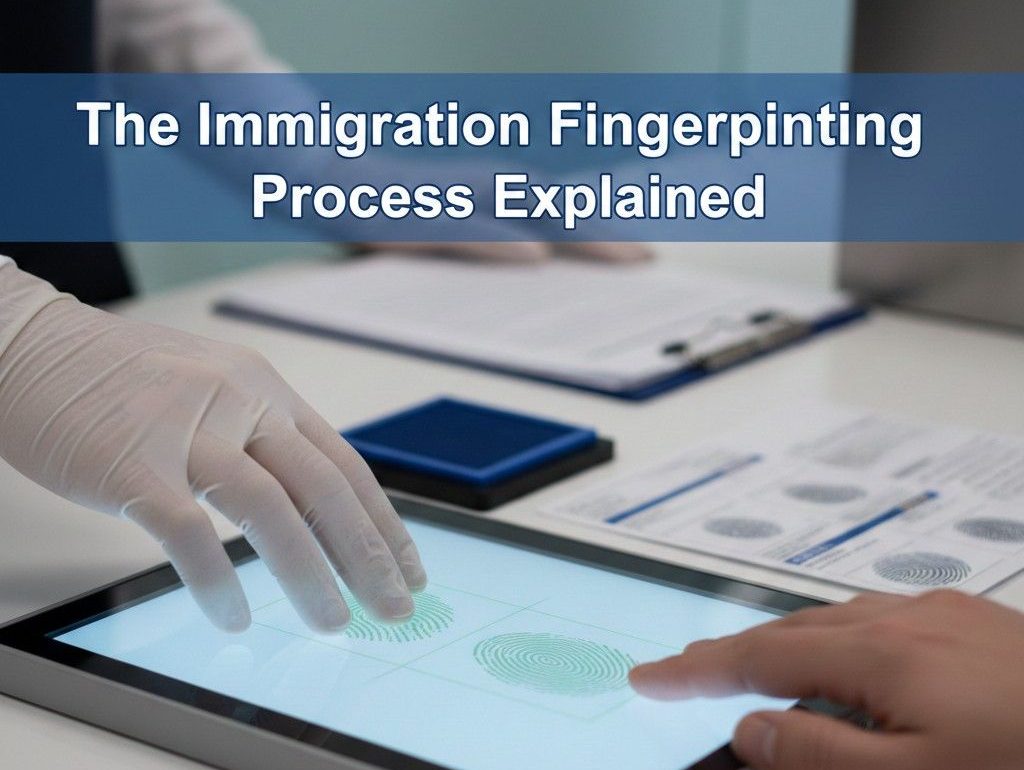
At the center, trained technicians capture your immigration fingerprints using electronic scanning technology. Modern live scan systems have largely replaced ink-and-paper methods, making the process faster and more accurate.
The technician will also take your photograph and signature as part of the biometric collection. This complete biometric package becomes part of your immigration file and helps verify your identity throughout the application process.
FBI Background Checks and Immigration Fingerprints
FBI background checks are integral to processing immigration fingerprints. Once USCIS captures your biometric data, the information goes directly to the FBI for comprehensive screening.
The FBI searches its extensive database using your immigration fingerprints. This database includes millions of criminal records, arrest records, and fingerprint files from law enforcement agencies nationwide.
Results from FBI checks typically return within 24 to 48 hours for most applicants. However, if your fingerprints match records requiring additional review, the process may take longer.
Name checks complement fingerprint-based searches. While immigration fingerprints provide biometric verification, the FBI also conducts searches based on your name, date of birth, and other identifying information.
International database searches may occur in certain cases. For applicants who’ve lived abroad, immigration authorities might request information from foreign law enforcement agencies to ensure comprehensive background verification.
Professional Fingerprinting Services vs. USCIS Centers
While USCIS operates Application Support Centers for immigration fingerprints, professional fingerprinting services offer important advantages for certain applications and situations.
Professional services like AI Fingerprinting specialize in various fingerprint requirements. We’re equipped to handle FBI-approved fingerprint cards for applications that require submission directly to agencies rather than through USCIS.
Flexibility represents a significant benefit of professional services. While USCIS assigns specific appointment times, professional fingerprinting providers often offer more convenient scheduling options that work around your schedule.
Some immigration-related applications require applicants to obtain immigration fingerprints independently. For instance, certain visa categories processed through embassies or consulates need applicants to submit fingerprint cards directly.
Professional fingerprinting services ensure quality and accuracy. Experienced technicians understand the strict standards required for immigration fingerprints and can prevent rejections due to poor print quality.
Multiple copies are available through professional services. If you need fingerprint cards for various purposes simultaneously, professional providers can efficiently produce multiple sets during one appointment.
Common Issues with Immigration Fingerprints
Even with modern technology, problems can occasionally arise with immigration fingerprints. Understanding common issues helps you address them proactively.
Poor print quality remains the most frequent problem. Factors like dry skin, worn fingerprint ridges, or occupational damage can make capturing clear immigration fingerprints challenging. Using moisturizer regularly before your appointment can help.
Rejection notices occur when fingerprint quality doesn’t meet FBI standards. If USCIS sends a rejection notice, you’ll need to schedule another biometric appointment. This doesn’t necessarily indicate problems with your application beyond the technical fingerprinting issue.
Delayed processing sometimes results from fingerprint issues. When the FBI cannot obtain clear results from immigration fingerprints, additional time is needed for manual review or alternative verification methods.
Medical conditions can affect fingerprint capture. Conditions causing excessive dryness, skin peeling, or scarring may complicate the fingerprinting process. Inform technicians of any relevant medical conditions beforehand.
How to Prepare for Your Immigration Fingerprints Appointment
Proper preparation ensures your immigration fingerprints appointment goes smoothly and efficiently. Following these guidelines maximizes the chances of successful capture on the first attempt.
Moisturize your hands regularly in the week leading up to your appointment. Well-hydrated skin produces clearer fingerprint impressions. However, avoid applying lotion immediately before your appointment, as this can create smudging.
Bring required documentation to your appointment. Your biometric appointment notice and valid government-issued photo identification are absolutely essential. Make copies of these documents to keep for your records.
Arrive early at the fingerprinting location. Punctuality demonstrates responsibility and gives you time to complete any necessary paperwork. Most facilities appreciate arrivals 10-15 minutes before scheduled times.
Avoid hand-washing immediately before fingerprinting. While clean hands are important, excessive washing right before your appointment can temporarily dry out your skin and affect print quality.
Inform technicians about any hand injuries or conditions. If you have cuts, burns, or temporary injuries on your fingers, let the technician know. They can adjust their approach or document the issue appropriately.
Immigration Fingerprints for Specific Applications
Different immigration applications have unique fingerprinting requirements. Understanding these distinctions helps you prepare appropriately for your specific situation.
Green card renewal applicants need immigration fingerprints even though they’re already permanent residents. Form I-90 for replacement or renewal green cards typically triggers a biometric appointment requirement.
Naturalization applicants undergo comprehensive fingerprinting as part of the N-400 citizenship application. These immigration fingerprints support extensive background checks examining your entire residence period in the United States.
Adjustment of status applications require thorough biometric screening. When applying for permanent residency from within the United States, immigration fingerprints help verify identity and conduct necessary security checks.
Employment-based immigration categories have specific fingerprinting protocols. Depending on your visa classification and employment situation, you may need immigration fingerprints at various stages of the application process.
Family-based petitions involve fingerprinting for both petitioners and beneficiaries in many cases. The specific requirements depend on the family relationship and current immigration status of all parties involved.
The Role of Professional Fingerprinting Services in Oregon
Professional fingerprinting services play a vital role in supporting immigration applicants throughout Oregon. These specialized providers offer expertise and convenience that complement USCIS services.
At AI Fingerprinting, we understand the importance of accurate immigration fingerprints. Our trained professionals have extensive experience with FBI-approved fingerprinting techniques and maintain the high standards required for immigration applications.
We serve clients throughout Oregon with convenient locations and flexible scheduling. Whether you’re in Portland, Eugene, Salem, or surrounding areas, professional fingerprinting services are accessible when you need them.
Our services extend beyond basic fingerprinting. We also provide notary services and translation services, offering comprehensive support for your immigration documentation needs. This one-stop approach saves time and ensures consistency across your application materials.
Quality assurance is paramount in our operation. We carefully review each set of immigration fingerprints before submission to ensure they meet FBI and USCIS standards. This attention to detail minimizes rejection risks and processing delays.
Timeline and Processing for Immigration Fingerprints
Understanding the timeline for immigration fingerprints helps you plan your application strategy and manage expectations throughout the process.
Initial biometric appointment notices typically arrive two to four weeks after USCIS receives your application. This timeline can vary based on application volume and the specific USCIS service center processing your case.
The fingerprinting appointment itself takes approximately 30 minutes. The actual fingerprint capture process is quick, usually completed within 10-15 minutes. Additional time accounts for check-in procedures and verification steps.
FBI processing of immigration fingerprints occurs rapidly in most cases. Electronic submission means results often return within 24 to 48 hours. This quick turnaround keeps your overall application moving forward efficiently.
Overall application processing continues after fingerprinting. While immigration fingerprints represent one component of your application, other aspects like document review and interview scheduling proceed on their own timelines.
Some applications face delays due to background check complications. If your immigration fingerprints reveal information requiring additional investigation, USCIS may request supplemental documentation or conduct additional interviews before making decisions.
Costs Associated with Immigration Fingerprints
Financial planning for immigration applications must account for fingerprinting costs. Understanding these expenses helps you budget appropriately for your immigration journey.
USCIS biometric services fees are typically included in application filing fees. When you pay for your green card application, naturalization petition, or other immigration benefit, the biometric services cost is usually bundled into the total amount.
The standard biometric services fee is currently $85 for most applications. However, USCIS periodically adjusts fees, so always verify current costs when preparing your application package.
Professional fingerprinting services charge separate fees for non-USCIS applications. If you need immigration fingerprints for applications submitted directly to embassies, consulates, or other agencies, professional services provide this specialized assistance.
Additional costs may include travel to appointment locations. If your assigned Application Support Center is far from your residence, factor in transportation expenses when budgeting for your immigration fingerprints.
Multiple application scenarios might require separate fingerprinting fees. If you’re filing several immigration applications simultaneously, each may trigger individual biometric requirements and associated costs.
Technology and Innovation in Immigration Fingerprinting
Fingerprinting technology has evolved dramatically, improving accuracy and efficiency for immigration fingerprints. These innovations benefit both applicants and immigration authorities.
Live scan technology has revolutionized immigration fingerprints collection. Electronic capture systems provide superior image quality compared to traditional ink methods, reducing rejection rates and processing times.
Digital storage and transmission ensure immigration fingerprints reach FBI databases almost instantaneously. This electronic workflow eliminates mail delays and reduces opportunities for document loss or damage.
Advanced algorithms enhance fingerprint matching capabilities. Modern systems can identify matches even when prints are partially obscured or of lower quality, improving overall system effectiveness.
Biometric integration extends beyond fingerprints. Many immigration applications now include facial recognition and other biometric identifiers, creating comprehensive identity verification systems.
Mobile fingerprinting technology is emerging in certain contexts. While not yet widely used for immigration fingerprints, portable scanning devices may eventually expand service accessibility.
Maintaining Your Immigration Records
After providing immigration fingerprints, maintaining proper records protects your interests throughout the immigration process and beyond.
Keep copies of all fingerprinting appointment notices. These documents prove you completed required biometric services and provide useful reference information if questions arise later.
Retain receipts and confirmation documents from your appointments. Whether you visited a USCIS Application Support Center or used professional fingerprinting services, these records demonstrate compliance with requirements.
Document any fingerprinting problems or resubmission requirements. If you experienced rejection or needed to provide immigration fingerprints multiple times, maintain records explaining the circumstances.
Store digital copies of important immigration documents securely. Cloud storage services or encrypted digital files ensure you can access critical information even if physical documents are lost or damaged.
Update your records as your immigration status changes. Throughout your journey from initial applications through citizenship, maintaining organized records of all biometric submissions supports future applications and reference needs.
Why Choose AI Fingerprinting for Your Immigration Needs
Selecting the right fingerprinting provider impacts your immigration application success. AI Fingerprinting offers compelling advantages for Oregon residents navigating the immigration process.
Our experience with immigration fingerprints spans years of dedicated service. We understand the nuances of different application types and maintain current knowledge of FBI and USCIS requirements.
Accuracy is our top priority. We use state-of-the-art equipment and proven techniques to ensure your immigration fingerprints meet the highest quality standards. Our rejection rate is exceptionally low because we get it right the first time.
Convenience matters in your busy life. We offer flexible scheduling, including evening and weekend appointments in many cases. This accessibility means you don’t have to sacrifice work hours or personal commitments.
Comprehensive services under one roof save time and stress. Beyond immigration fingerprints, our notary and translation services support your complete application package. This integrated approach ensures consistency and professionalism across all your documents.
Customer service distinguishes our operation. We treat every client with respect and patience, answering questions and addressing concerns throughout the fingerprinting process. Your success is our success.
Conclusion: Moving Forward with Confidence
Immigration fingerprints represent a crucial step in your immigration journey. Understanding the process, requirements, and best practices empowers you to navigate this requirement successfully.
Whether you’re pursuing permanent residency, citizenship, or another immigration benefit, proper fingerprinting ensures your application progresses smoothly. The background checks facilitated by immigration fingerprints protect both national security and the integrity of the immigration system.
Professional fingerprinting services like AI Fingerprinting provide valuable support throughout this process. Our expertise, technology, and customer-focused approach help Oregon residents complete their immigration fingerprints efficiently and accurately.
Take the next step in your immigration journey with confidence. Contact AI Fingerprinting today to schedule your appointment or learn more about how we can support your immigration application needs. Your dreams of building a life in the United States deserve the professional support that ensures success.