
Understanding ATF fingerprinting cards and the EFT file format is crucial for anyone navigating National Firearms Act (NFA) applications. Whether you’re purchasing a suppressor, short-barreled rifle, or other regulated items, proper fingerprinting can make the difference between smooth approval and frustrating delays.
At AI Fingerprinting, we specialize in providing professional ATF fingerprint cards for Oregon residents pursuing NFA items. Our expertise with both traditional card-based fingerprinting and electronic EFT file submissions ensures your applications meet strict federal standards.
This comprehensive guide explains everything you need to know about ATF fingerprint cards, EFT files, and how professional fingerprinting services support successful NFA applications.
What Are ATF Fingerprint Cards?
ATF fingerprinting cards are specialized FBI-approved forms used for background checks on NFA applications. These cards, officially designated as FD-258 forms, capture your biometric data in a standardized format that law enforcement agencies can process.
The Bureau of Alcohol, Tobacco, Firearms and Explosives requires ATF fingerprint cards for all NFA transfers. When you apply for a tax stamp to own a suppressor, short-barreled rifle, or other regulated item, you must submit fingerprint cards along with your Form 4.
ATF fingerprint cards contain specific fields that must be completed accurately. Your full legal name, date of birth, place of birth, address, and other identifying information appear on the card alongside your actual fingerprint impressions.
The quality of ATF fingerprint cards directly impacts application success. Poorly captured prints, smudged impressions, or incomplete information lead to rejections that significantly delay your NFA approval timeline.
Professional services ensure ATF fingerprinting cards meet federal standards. Experienced technicians understand the specific requirements and use proper techniques to capture clear, complete impressions that pass ATF scrutiny.
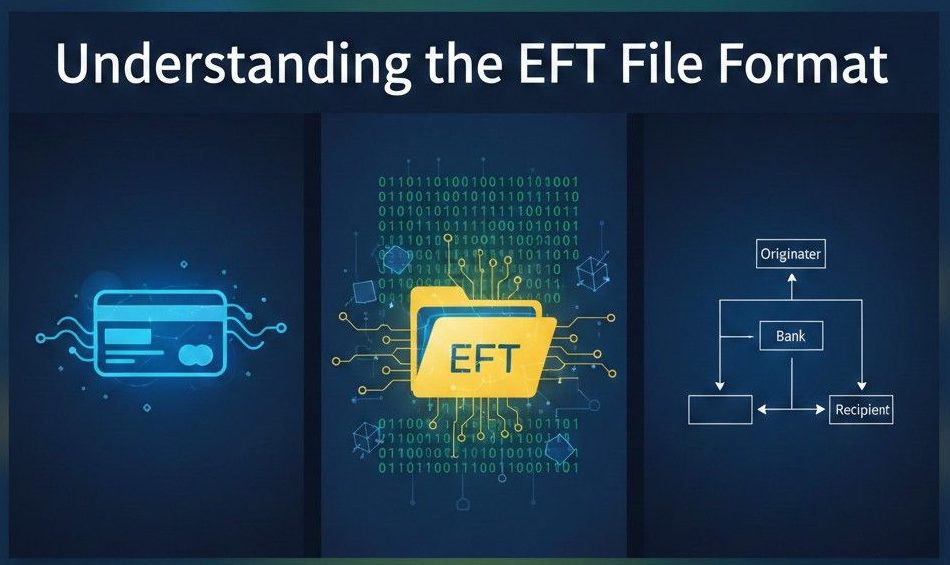
Understanding the EFT File Format
The EFT file represents the digital equivalent of traditional ATF fingerprinting cards. EFT stands for Electronic Fingerprint Transmission, allowing biometric data to be submitted electronically rather than through physical cards.
EFT files follow standardized formats established by the FBI. These digital fingerprint records contain the same information as physical ATF fingerprint cards but in an electronic format that integrates seamlessly with modern processing systems.
The transition to EFT files has modernized NFA applications. Electronic submission eliminates mail delays, reduces card damage risks, and accelerates the overall background check process compared to traditional paper-based methods.
Not all fingerprinting providers can generate EFT files. Specialized equipment and FBI certification are required to capture and transmit fingerprints electronically. This technical requirement makes professional services essential for applicants wanting electronic submission.
EFT files integrate with ATF’s eForms system. When submitting electronic Form 4 applications, your EFT file uploads directly to the ATF database, creating a fully digital application package that processes more quickly than paper submissions.
The FD-258 Fingerprint Card Explained
The FD-258 form is the official fingerprint card required for ATF fingerprinting cards. Understanding this specific form type prevents common mistakes that lead to application rejections.
FD-258 cards feature a distinctive layout with designated spaces for each finger. The card includes sections for rolled impressions of all ten fingers plus simultaneous impressions of both thumbs and remaining fingers.
Specific fields on FD-258 ATF fingerprint cards must be completed precisely. The “Reason Fingerprinted” field should indicate the purpose, such as “NFA Tax Stamp” or the specific form number like “Form 4.”
The “ORI” field on ATF fingerprint cards requires the correct Originating Agency Identifier. For NFA applications, this is typically the ATF’s identifier, ensuring your fingerprints route to the appropriate agency for processing.
Signature requirements on FD-258 forms are strict. Both the person being fingerprinted and the technician capturing the prints must sign in designated areas. Missing signatures invalidate otherwise acceptable ATF fingerprint cards.
Card stock quality matters for FD-258 ATF fingerprint cards. The FBI specifies particular paper weight and finish requirements. Using incorrect card stock, even with perfect fingerprints, results in automatic rejection.
How ATF Fingerprint Cards Are Used in NFA Applications
ATF fingerprint cards serve critical functions throughout the NFA application process. Understanding their role helps applicants appreciate the importance of quality fingerprinting.
Identity verification begins with ATF fingerprint cards. Your unique biometric identifiers prove you are who you claim to be, preventing fraudulent applications and ensuring accountability in NFA item ownership.
Background checks depend entirely on ATF fingerprint cards. The FBI uses your prints to search national criminal databases, verifying you’re legally eligible to possess regulated firearms under federal law.
ATF fingerprint cards create permanent records linked to your NFA items. This documentation helps law enforcement track regulated items and maintains the audit trail required by federal regulations.
Two copies of ATF fingerprint cards are typically required per applicant. If you’re applying as an individual, you need two cards. Gun trust applications require two cards for each responsible person named in the trust.
The cards accompany your Form 4 submission. Whether filing electronically with an EFT file or submitting paper applications, ATF fingerprint cards are mandatory components that the ATF cannot process applications without.
Traditional vs. Electronic Fingerprinting Methods
Both traditional ink-based ATF fingerprint cards and electronic EFT files have advantages. Understanding the differences helps you choose the best method for your situation.
Traditional ink-based ATF fingerprint cards use classic fingerprinting techniques. A technician applies ink to your fingers and rolls them onto FD-258 forms, creating physical impressions that are mailed with your application.
The tactile nature of traditional methods allows experienced technicians to adjust pressure and technique. Skilled providers can often capture better quality impressions than automated systems, particularly for individuals with difficult fingerprints.
Electronic EFT file generation uses digital scanners. Your fingers are placed on optical or capacitive sensors that capture fingerprint ridge patterns electronically, creating digital files rather than physical cards.
Electronic methods integrate perfectly with eForms. If you’re submitting your Form 4 electronically through the ATF’s online system, EFT files upload directly, creating a fully paperless application process.
Processing speed differs between traditional ATF fingerprint cards and EFT files. Electronic submissions eliminate mail time and arrive at the FBI instantly, potentially shaving days or weeks off your total processing timeline.
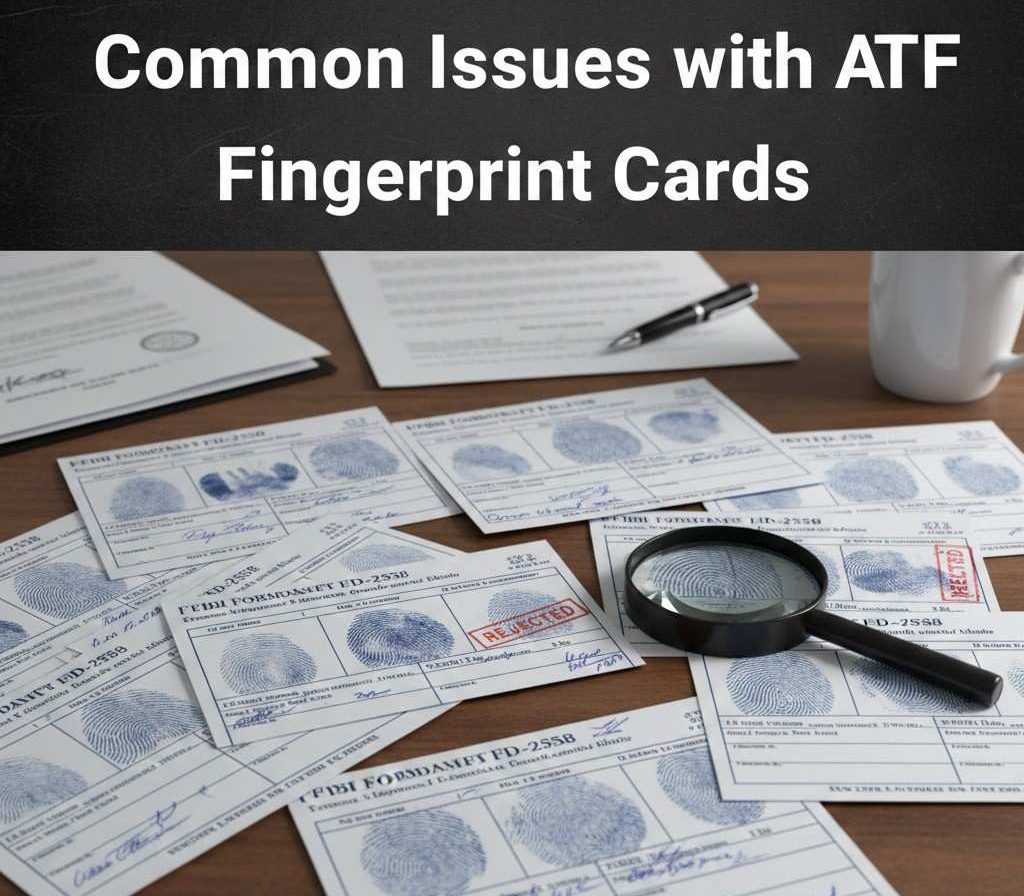
Common Issues with ATF Fingerprint Cards
Even experienced applicants sometimes encounter problems with ATF fingerprinting cards. Recognizing common issues helps you avoid delays and rejections.
Poor print quality remains the most frequent problem with ATF fingerprint cards. Fingerprints that are too light, too dark, smudged, or incomplete won’t pass FBI review, resulting in rejection notices from the ATF.
Using incorrect card types causes automatic rejection. The ATF specifically requires FD-258 forms for ATF fingerprint cards. Other fingerprint card types, even if technically valid for different purposes, aren’t acceptable for NFA applications.
Missing information on ATF fingerprinting cards creates processing problems. Every field must be completed accurately, including full legal names, complete addresses with zip codes, dates of birth, and places of birth.
Signature omissions surprisingly common on ATF fingerprint cards. Both the applicant and the fingerprint technician must sign the card. Either missing signature invalidates the card regardless of fingerprint quality.
Damaged cards won’t be processed. ATF fingerprinting cards must arrive in pristine condition without tears, water damage, excessive creasing, or other physical defects that interfere with reading the prints.
How to Prepare for ATF Fingerprint Cards
Proper preparation ensures your ATF fingerprint cards capture high-quality impressions on the first attempt. Following these guidelines maximizes success rates.
Moisturize your hands regularly for several days before your ATF fingerprinting cards appointment. Well-hydrated skin produces clearer impressions. However, don’t apply lotion immediately before fingerprinting as this can cause smudging.
Bring proper identification to your fingerprinting appointment. Government-issued photo ID is essential for verifying your identity and completing ATF fingerprinting cards accurately. Your driver’s license or passport works perfectly.
Know your personal information exactly as it should appear on ATF fingerprint cards. This includes your full legal name, complete address with zip code, date of birth, and place of birth. Consistency across all NFA paperwork is crucial.
Avoid washing hands immediately before getting ATF fingerprint cards. While clean hands are important, excessive washing right before your appointment temporarily dries skin and can affect print quality.
Inform technicians about any hand injuries or conditions. Cuts, burns, or temporary injuries on your fingers should be disclosed. Professional technicians can adjust their approach or document issues appropriately on ATF fingerprint cards.
The Role of Professional Fingerprinting Services
Professional services provide essential expertise for ATF fingerprinting cards and EFT file generation. Quality providers offer significant advantages over amateur or self-service options.
At AI Fingerprinting, we specialize in ATF fingerprint cards for NFA applications. Our technicians have extensive experience with FD-258 forms and understand the specific requirements that ensure first-time approval.
We use FBI-approved materials exclusively. Our FD-258 cards meet all federal specifications for paper stock, dimensions, and printing quality. This attention to detail prevents automatic rejections based on material defects.
Quality control is built into our process. We carefully review each set of ATF fingerprinting cards before release, ensuring clear, complete prints that meet FBI and ATF standards. This review minimizes rejection risks.
We offer both traditional and electronic options. Whether you need physical ATF fingerprinting cards for paper applications or EFT files for electronic submissions, we provide both services with equal expertise.
Convenient scheduling accommodates Oregon residents throughout the state. We offer flexible appointment times, including evenings and weekends when available, ensuring fingerprinting doesn’t disrupt work schedules.
ATF Fingerprint Cards for Different NFA Items
While requirements are generally consistent, ATF fingerprinting cards serve various NFA applications. Understanding these different uses helps applicants navigate specific situations.
Suppressor applications are the most common use for ATF fingerprinting cards. Whether purchasing your first suppressor or adding to a collection, each Form 4 requires fresh fingerprint submissions.
Short-barreled rifle (SBR) applications need identical ATF fingerprint cards. Creating an SBR through Form 1 or purchasing one via Form 4 both mandate fingerprint submission with the same quality standards.
Short-barreled shotgun (SBS) applications follow the same fingerprinting requirements. These items require ATF fingerprint cards meeting identical specifications as suppressor and SBR applications.
Any Other Weapon (AOW) transfers require ATF fingerprint cards despite lower transfer taxes. Even though AOW transfers cost only $5 compared to $200 for most NFA items, fingerprinting requirements remain identical.
Machine gun transfers for pre-1986 items demand the same ATF fingerprint cards. These valuable and heavily regulated items require comprehensive background checks supported by quality fingerprinting.
Gun Trust Applications and ATF Fingerprint Cards
Gun trust applications involve unique considerations for ATF fingerprinting cards. Understanding these requirements helps trustees navigate the process correctly.
Each responsible person in a gun trust needs separate ATF fingerprinting cards. If your trust names three responsible persons, all three must submit their own fingerprint cards with the application.
The definition of “responsible person” determines who needs ATF fingerprint cards. Trustees with authority to direct trust management, acquire NFA items, or possess trust property must all be fingerprinted.
Changes in 2016 expanded fingerprinting requirements for trusts. Previously, trusts could avoid individual fingerprinting, but current rules mandate ATF fingerprint cards for all responsible persons regardless of entity type.
Adding responsible persons to existing trusts requires new ATF fingerprinting cards. When trust amendments add individuals with authority over NFA items, those persons must submit fingerprints for pending and future applications.
Trust applications can become expensive when multiple people need ATF fingerprinting cards. Each responsible person requires two cards per application, multiplying fingerprinting costs for large trusts.
Electronic Form 4 and EFT Files
The ATF’s electronic Form 4 system has transformed NFA applications, with EFT files playing a central role. Understanding this integration helps applicants choose the best submission method.
Electronic Form 4 submissions dramatically reduce processing times. Applications filed electronically with EFT files currently see approvals in 60-90 days compared to 6-12 months for paper submissions with physical ATF fingerprint cards.
EFT files upload directly into the eForm system. During your electronic Form 4 submission, you’ll upload your EFT file containing digital fingerprints rather than mailing physical cards.
Not all dealers can generate EFT files. Your firearms dealer must have certified fingerprinting equipment and technicians to create EFT files. Many dealers partner with third-party providers for this service.
Some applicants still prefer physical ATF fingerprint cards even with eForms available. Paper applications remain valid options, particularly for those uncomfortable with electronic systems or working with dealers lacking EFT capabilities.
The ATF validates EFT files upon upload. If your electronic fingerprints don’t meet quality standards, the system rejects them immediately, allowing quick correction rather than waiting months to discover problems.
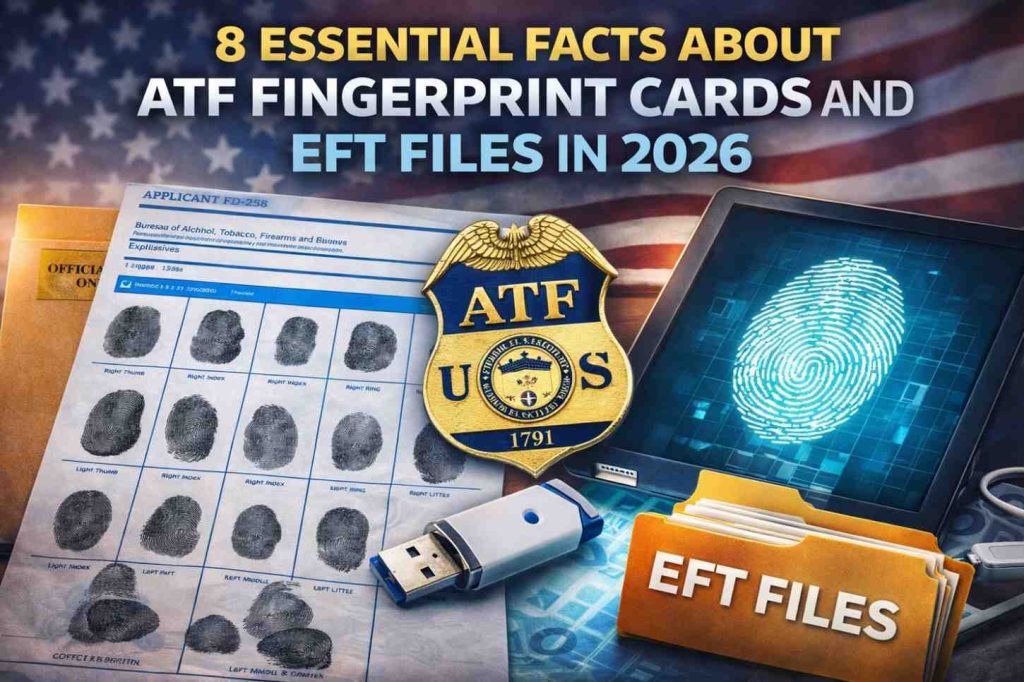
Quality Standards for ATF Fingerprint Cards
The FBI and ATF maintain strict quality standards for ATF fingerprint cards. Understanding these requirements helps ensure your cards pass review on first submission.
Print clarity is paramount for ATF fingerprint cards. Every ridge and valley must be clearly visible without breaks, smudges, or areas where the pattern is indistinct.
Complete coverage ensures all fingers are fully captured on ATF fingerprinting cards. Each rolled impression should extend from one edge of the nail to the other, capturing the complete fingerprint pattern.
Proper pressure during fingerprinting affects ATF fingerprint cards quality. Too much pressure causes smudging and fills in ridge detail, while too little pressure creates faint impressions that lack sufficient detail.
The simultaneous impressions section of ATF fingerprinting cards requires special technique. These prints, showing four fingers together, must be clear and positioned correctly within the designated box.
Background checks use automated systems that require high-quality ATF fingerprint cards. Poor prints that human reviewers might interpret are often rejected by computerized matching systems.
Timeline Considerations for ATF Fingerprint Cards
Understanding timing issues helps you plan your ATF fingerprinting cards and overall NFA application strategy effectively.
ATF fingerprint cards should be obtained shortly before application submission. While prints don’t technically expire, the ATF prefers recent fingerprints to ensure current accuracy and account for any hand injuries or changes.
Processing delays can occur if ATF fingerprint cards are rejected. When the FBI cannot obtain clear results from your prints, you’ll receive a rejection notice requiring new cards and resubmission, adding weeks or months to your timeline.
Some applicants get multiple sets of ATF fingerprint cards simultaneously. If you’re planning several NFA purchases, having extra cards ready accelerates subsequent applications, though you must ensure cards remain in pristine condition.
Electronic EFT files can be generated and submitted quickly. Unlike traditional ATF fingerprinting cards requiring printing, drying time, and mailing, EFT files are instantly available for upload to eForms.
Busy seasons affect fingerprinting appointment availability. Spring and fall see increased demand for ATF fingerprint cards as more people purchase NFA items. Scheduling appointments early prevents delays.
Cost Considerations for ATF Fingerprint Cards
Understanding the financial aspects of ATF fingerprinting cards helps you budget appropriately for NFA applications beyond the transfer tax itself.
Professional fingerprinting services for ATF fingerprinting cards typically cost $20-50 per set. Since you need two cards per applicant, individual applications generally require $40-100 in fingerprinting fees.
Multiple applicants multiply costs. Gun trust applications with three responsible persons might require six total ATF fingerprint cards, significantly increasing fingerprinting expenses.
Electronic EFT file generation sometimes costs more than traditional ATF fingerprint cards. The specialized equipment and certification required for electronic fingerprinting often commands premium pricing.
Some dealers include fingerprinting with NFA purchases. When buying suppressors or other NFA items, ask whether the dealer provides complimentary ATF fingerprint cards or EFT files as part of the sale.
DIY fingerprinting is possible but risky. While you can purchase FD-258 cards and ink pads online, amateur fingerprinting frequently produces substandard ATF fingerprint cards that the ATF rejects, ultimately costing more in time and repeated attempts.
Legal Requirements and Compliance
ATF fingerprint cards must comply with specific legal requirements. Understanding these rules ensures your applications meet all federal standards.
Federal law mandates fingerprinting for all NFA transfers. There are no exemptions based on previous clearances, existing firearms ownership, or concealed carry permits. Every NFA application requires fresh ATF fingerprint cards.
Accuracy on ATF fingerprint cards is legally important. Providing false information, even inadvertently, can result in application denial and potentially criminal charges for making false statements to federal agencies.
Privacy protections apply to ATF fingerprint cards. The FBI maintains fingerprint records according to federal privacy laws, using the data only for authorized law enforcement and background check purposes.
Retention policies govern how long ATF fingerprint cards remain in federal databases. Understanding these policies helps applicants know how their biometric data is stored and used over time.
State laws generally don’t add requirements to federal ATF fingerprint cards standards. Oregon imposes no additional fingerprinting beyond federal mandates, though state laws govern who may provide fingerprinting services commercially.
Why Choose AI Fingerprinting for ATF Fingerprint Cards
Selecting the right provider for ATF fingerprint cards significantly impacts your NFA application experience. AI Fingerprinting offers distinct advantages for Oregon residents.
Our extensive experience with ATF fingerprint cards spans years of dedicated service. We understand NFA requirements and maintain current knowledge of ATF procedural updates and best practices.
We use proper FD-258 cards meeting all FBI specifications. Our inventory includes only authentic, current-version forms that comply with federal requirements for ATF fingerprint cards.
Quality assurance protects your application timeline. We review each set of ATF fingerprint cards before release, ensuring they meet standards that prevent rejections and delays.
We offer both traditional and electronic options. Whether you need physical ATF fingerprint cards or EFT files for electronic submission, we provide expert service for both methods.
Our Oregon locations serve clients throughout the state. Convenient scheduling and multiple service areas ensure accessibility regardless of where you live in Oregon.
Additional services support complete NFA applications. Beyond ATF fingerprint cards, we provide notary services for trust documents and other certification needs related to firearms applications.
Maintaining Records of ATF Fingerprint Cards
Proper record-keeping regarding ATF fingerprint cards protects your interests and simplifies future applications.
Keep copies of submitted ATF fingerprint cards when possible. While you submit originals to the ATF, photographs or photocopies for your records document what you submitted and when.
Document which applications used which ATF fingerprint cards. If you’re filing multiple Form 4 applications, tracking which prints went with which suppressor or other item helps resolve any processing questions.
Store extra sets of ATF fingerprint cards carefully if you obtained them in advance. Keep cards in rigid folders preventing creasing or damage, stored in cool, dry locations away from moisture.
Maintain contact information for your fingerprinting provider. If questions arise about your ATF fingerprint cards during application processing, being able to contact the service provider who created them assists problem resolution.
Track your fingerprinting appointments and submission dates. This information helps when monitoring application status and estimating approval timelines for your NFA items.
Conclusion: Ensuring Success with ATF Fingerprint Cards
ATF fingerprint cards and EFT files represent critical components of successful NFA applications. Quality fingerprinting can mean the difference between smooth approval and frustrating delays that extend the already lengthy process.
Understanding the requirements, preparing properly, and using professional services ensures your ATF fingerprint cards meet federal standards. This attention to detail protects your investment in NFA items and respects your time.
At AI Fingerprinting, we’re committed to providing Oregon residents with the highest quality ATF fingerprint cards and EFT file services. Our expertise, equipment, and dedication to accuracy make us the trusted choice for NFA fingerprinting.
Whether you’re pursuing your first suppressor or you’re an experienced collector adding to your NFA inventory, professional ATF fingerprint cards support your success. Don’t risk delays or rejections with amateur fingerprinting.
Contact AI Fingerprinting today to schedule your appointment for ATF fingerprint cards or EFT file generation. Let our experience and professionalism support your path to NFA ownership. We’re here to ensure your fingerprints meet federal standards and your applications proceed smoothly toward approval.
Need help with this? AI Fingerprinting provides NFA fingerprinting in Vancouver, WA. Book an appointment online or call (360) 998-7302.